

- >>
- OPINION
‘Make in India’, ‘Skill India’, ‘Digital India’, ‘Invest India’, ‘Start Up India’…stand up India, sit down India…… Of all the ‘India’ projects, designed more for optics than for performance, ‘Clean India’ stands out like a sore thumb. In its ‘desi’ equivalent, the Swachh Bharat Abhiyan takes not only the cake but also the bakers with it. Focusing on Indore makes us realize how it was probably THE biggest failed mission. Not because the toilets weren’t built but because the whole package of the sanitation wasn’t carried forward.
Yes, multiple toilets were built- here, there, everywhere. In villages, cities and metros, but a toilet built without water, without sewage, without maintenance plans is anything but dignified. What it is, is a concrete joke!
Sanitation is a system- with water, drainage, sewage, treatment and maintenance. If the entire project is focused only on one ‘visible’ option and the rest of the ‘invisible’ systems are ignored, it isn’t ignorance but a sloppy political plan. Swachh Bharat was a project that involved 1.8 lakh crores- one of the costliest social missions in independent India. Let that number sink it, especially since we are still struggling with unsafe waters, broken drainage, overflowing sewage and disease outbreak.
So where has the money gone? The bulk of it went into the construction of toilets (that were never used) and the rest of it went in campaigns, brandings, events and award rankings. Very little went into underground sewage networks, water quality monitoring, waste water treatment and long term municipal maintenance.
Old pipelines were never replaced, drainage systems were totally ignored. Why? Perhaps because rusted pipelines prefer to stay underground, where ribbons are not cut and cameras do not reach; because the ‘safaai waalahs’ do not make a pretty picture; because a clogged sewer line doesn’t get as much applause as a drone inspection does and because sewage plants don’t win elections. The truth is that Swachh Bharat failed- not because of corruption alone but because of how the mission was designed.
You cannot beat centuries of filth and traditional habits, with silky slogans and ill conceived schemes, cleverly designed to hoodwink people. The airy fairy tales we were told were all about Dignity, Health, Hygiene, Cleanliness and Transformation. But when a city, consistently ranked as the ‘cleanest’ in the Swachh Sarwekshan survey, becomes a recipe for disaster, the story ends on a tragic note.
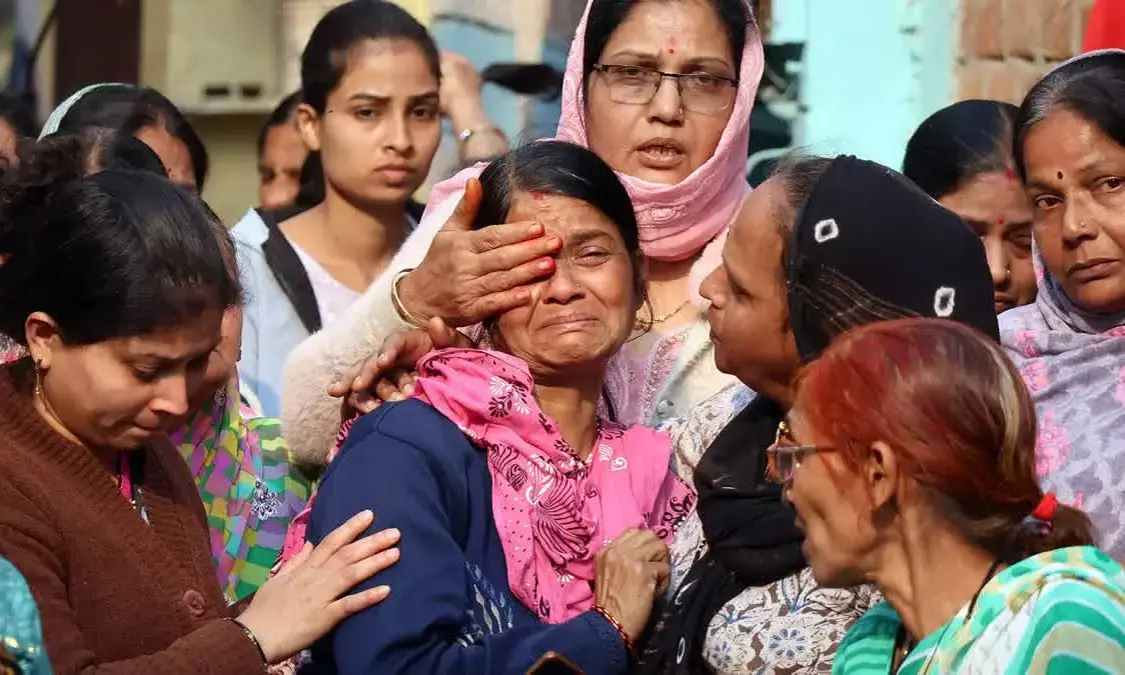
The humongous amount of money could have transformed India’s rural and urban health drastically, if it was properly executed. Instead it bought short term visibility, long term neglect and a deadly consequence. When a government rewards appearances over outcome you don’t just waste money, you also waste lives. You get poisoned water in the cleanest city in India. And when money chases optics instead of deliverance, you don’t just get failure, you get Indore!
When lives are lost, not due to war or natural disaster, but man- made calamities like contaminated water, it is not a failure by accident, but by design. Swachh Bharat is therefore not just a failed mission. It is also a case study on how optics can overpower engineering to kill innocent people. Indore was clean on the surface but rotten underneath. A rot that kept screaming to be healed but was never heard.
Did you know that less than half of India is connected to underground sewage, where nearly 70 per cent of water is released untreated, which roughly means that the same water you drink often flows dangerously close to the waste you flush!
When garbage segregation fails miserably, when landfills keep getting taller, what results is a collapse of the drainage system every monsoon. Real sanitation needs continuous water supply, underground sewage separation, waste water treatment, skilled municipal engineers and long term maintenance budget and education. Not intimidation, slogans, deadlines, awards and self congratulations.
But the nasty icing on the rotten cake was when a reporter with a spine and a conscience dared to question the ‘deaths’. What followed wasn’t remorse but abusive language. Obviously it was not directed against failure or negligence but against the question itself. When our bureaucracy and political systems are trained to govern only for optics and hatred, what else can we expect? But when arrogance replaces answers, when power replaces empathy, and when a ‘multi-engine Sarkar’ continues to brazenly run amok on the tracks of ‘no accountability’ and ‘no resignations’, it just highlights the sad psychology of a failed governance.
Swachh Bharat failed miserably because it replaced systems with symbolism. It failed because the truth was inconvenient. However it did one thing right- it forced the social media and the Indians to TALK about sanitation. When a city that cannot deliver safe drinking water is called ‘Clean’ it is a lie. And because of such blatant ‘lies’, people all across the nation don’t just suffer but also die silently- underground, off camera, buried under the weight of power and corruption.
Cleanliness is not a magical broom that can sweep away all the dirt. Hygiene is not a ranking on the scales of propaganda. Health is not a deceitful speech or a dishonest photo op. Sanitation is swatch pipes, swatch water, swatch sewage and swatch data. Until India learns this stinking truth, Swachh Bharat will remain one of the cleanest lies we ever applauded!
Nargis Natarajan is a commentator on social issues. The views expressed here are the writer’s own.