
- >>
- Guest Post
Why Efficient Warehouse Shelving Matters?
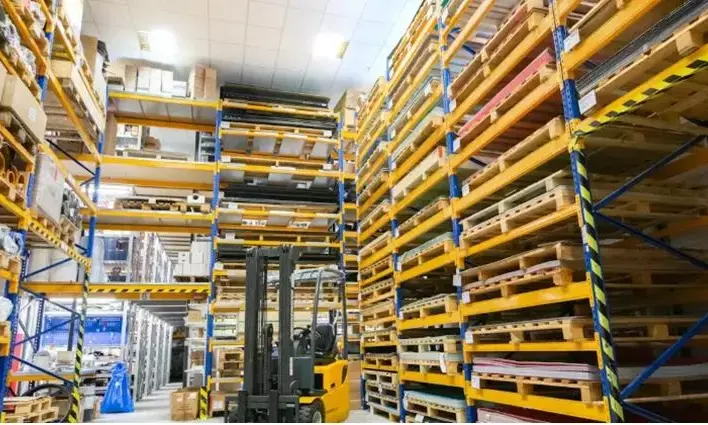
A well-planned shelving system is the backbone of any modern warehouse. It ensures smoother logistics, faster order fulfilment, and smarter use of storage space. With supply chains moving at record speed, shelves today need to handle different types of inventory, stay flexible as business grows, and make operations more efficient. Whether you are storing FMCG products, industrial equipment, or seasonal stock, the right warehouse shelving system helps reduce clutter, improve stock visibility, and boost productivity. Before investing, businesses must review how their inventory flows and choose a solution that supports growth rather than slowing it down.
Understand Your Warehouse Needs
Before buying or upgrading warehouse shelving, take a step back and assess how your warehouse operates.
● Identify what you are storing: small tools, large goods, or temperature-sensitive stock.
● Determine the average load capacity, size of items, and frequency of movement.
● Consider building height, aisle width, and whether forklifts or manual picking is used.
● Look at order picking frequency and batch sizes.
A shelving system should support the flow of goods, not interrupt it. For instance, items that move quickly should be kept close to packing stations, while slow-moving products can be placed higher up or at the back of the facility.
Common Types of Warehouse Shelving
The choice of shelving depends on what you store and how you use your space. Some of the most widely used systems include:
1. Light Duty Shelving
● Best for hand-picked items, cartons, and small spare parts.
● Easy to assemble and reconfigure.
● Often used in compact storage units or modular systems.
2. Medium & Heavy Duty Shelving
● Medium-duty racks are ideal for assembly lines, tools, or mid-weight products.
● Heavy-duty racks, built with stronger steel, handle bulky or industrial goods.
● Modular designs make them easy to expand or reorganise as needs change.
3. Multi-Tier Shelving
● Perfect for warehouses with tall ceilings.
● Makes use of vertical space with walkways, stairs, and multiple levels.
● Boosts storage capacity without needing extra floor space.
● Godrej’s Altius Lite and Altius Titan are strong examples of scalable, multi-tier systems.
Making the Most of Vertical Space
In many warehouses, vertical height is wasted. Tall shelving units unlock this space, reducing the need to rent or buy more square footage. They allow companies to:
● Separate bulk items from fast-moving products.
● Zone inventory across levels based on importance.
● Create a smoother picking process by using clear divisions.
Order Picking Efficiency
A good shelving system is more than storage—it should also speed up picking, offering effective picking solutions.
● Clear labels and logical grouping of products reduce search time.
● Adjustable shelves accommodate various item sizes, minimising wasted space.
● Systems like bin flow racks or mobile shelving keep high-demand items accessible.
● Smart solutions such as Mobistack SmartO combine mobility and technology to reduce effort during retrieval.
Flexibility for Changing Needs
Warehouses rarely stay the same—demand shifts, stock levels rise and fall, and seasonal products come in. Flexible systems help manage these changes.
● Adjustable shelves allow you to reconfigure the space without major disruption.
● Modular units can be expanded as your stock grows.
● Add-ons like bins, dividers, or label holders keep storage organised.
● Products like Mobistack Duo and Bin Flow Shelving from Godrej are designed to adapt to fast-changing environments.
Modular units and adjustable shelves not only adapt to stock changes but also support efficient picking solutions across the warehouse.
Durability and Load Safety
Shelving strength is crucial for both safety and efficiency.
● Use high-quality steel with anti-corrosion coating.
● Always check load ratings to avoid overloading.
● Reinforced bases and strong uprights prevent bending or collapse.
For warehouses with heavy or industrial goods, long-lasting shelving reduces damage, protects stock, and prevents costly downtime.
Maintenance and Safety Standards
A safe warehouse is a productive warehouse.
● Inspect shelves regularly for signs of rust, overload, or imbalance.
● Train staff to load shelves correctly.
● Maintain clear space for fire safety and equipment access.
● Additional features like guards, anchors, and anti-slip bases improve long-term safety.
Godrej Enterprises Group’s shelving systems are tested for load performance and meet industry standards, making them a reliable choice.
Custom Solutions for Unique Goods
Not all inventory fits standard racks. Some items require specialised solutions.
● Cantilever racks are ideal for storing pipes, lumber, and other long materials.
● Tyre racks are built to handle automotive storage safely.
● Folio systems such as Mobistack Folio are designed for flat goods like books, artworks, or documents.
Choosing the right custom shelf ensures both product safety and ease of handling.
Conclusion
The material handling system you select will influence efficiency, safety and growth for the foreseeable future. Smartly planned shelving improves visibility, speeds up order picking, and maximises your space. Additionally, modular systems can facilitate easy scaling as your business expands. Companies like Godrej offer trusted storage solutions for every need—from light to heavy storage, mobile unitpicking solutions to multi-tier systems—designed with strength, safety, and smart space utilisation. Choosing the right shelving today ensures a warehouse that stores more, ships faster, and grows with confidence tomorrow.